

AR/VR Models
Total immersion.
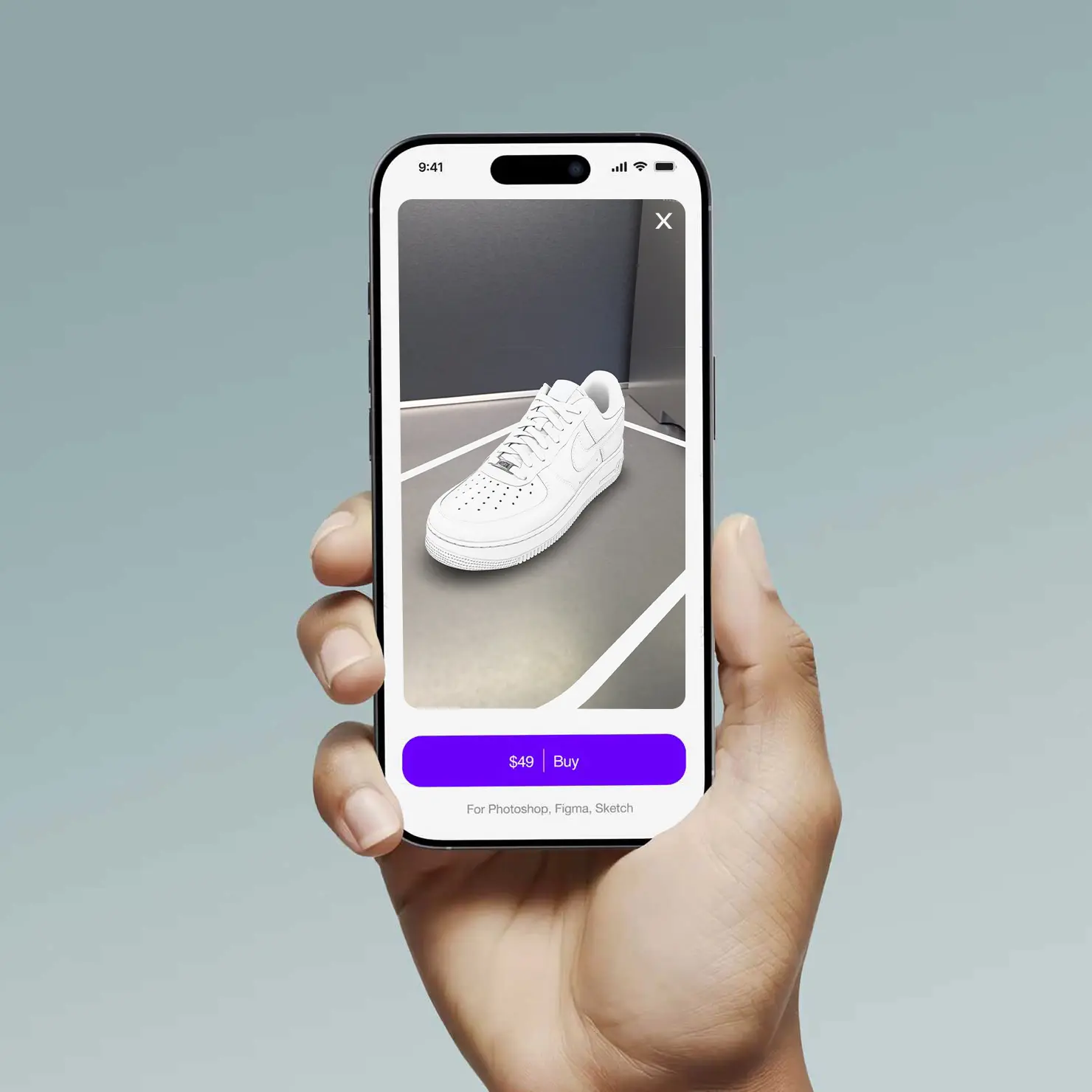
Experience products in your own space
Whether it's a new sofa in the living room or an industrial machine on the factory floor, your customers can place the product in their real environment at true scale using their smartphone.
Drastically reduce returns
Misconceptions about size, proportion, or material feel are the number one reason for returns. AR closes this gap in perception before the purchase.
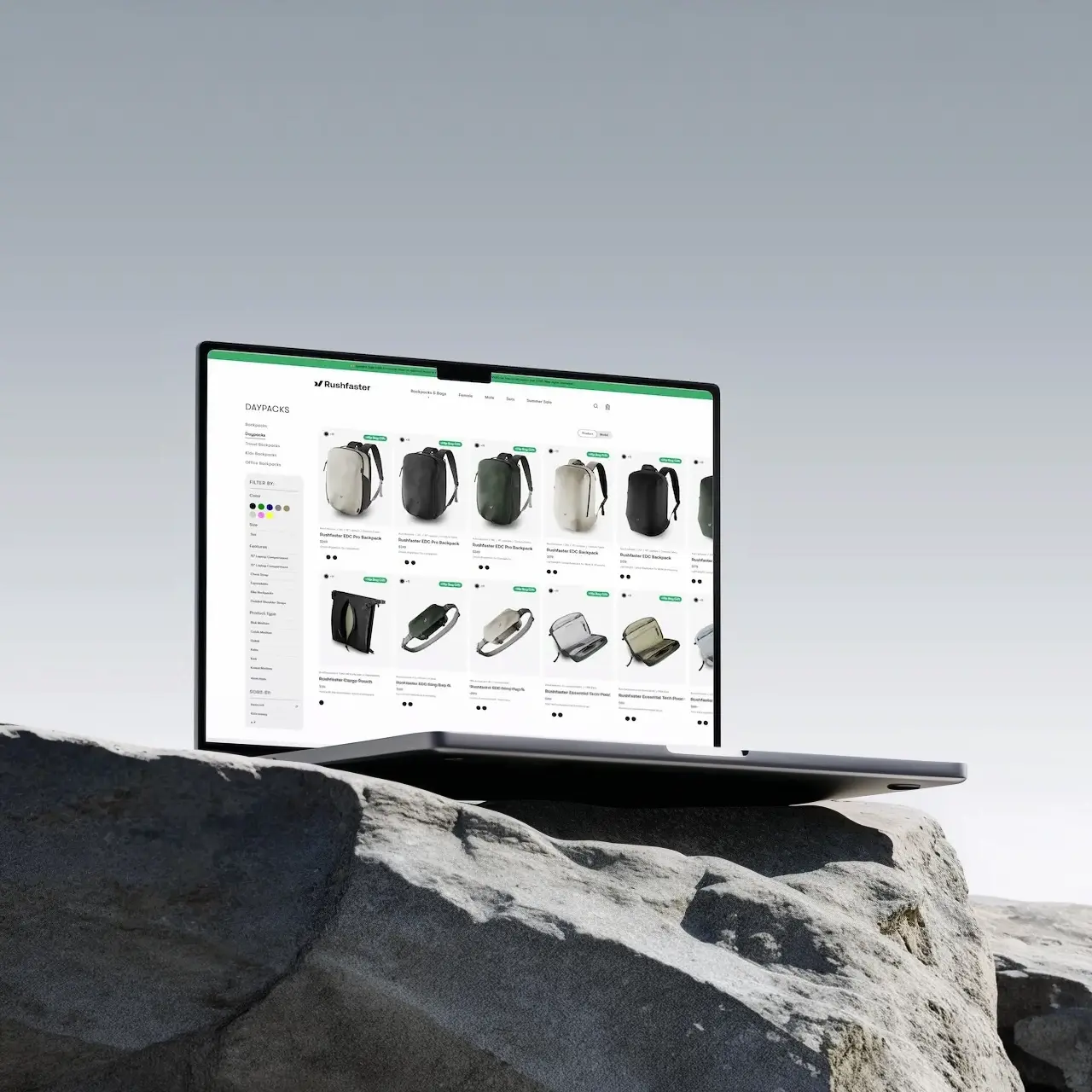
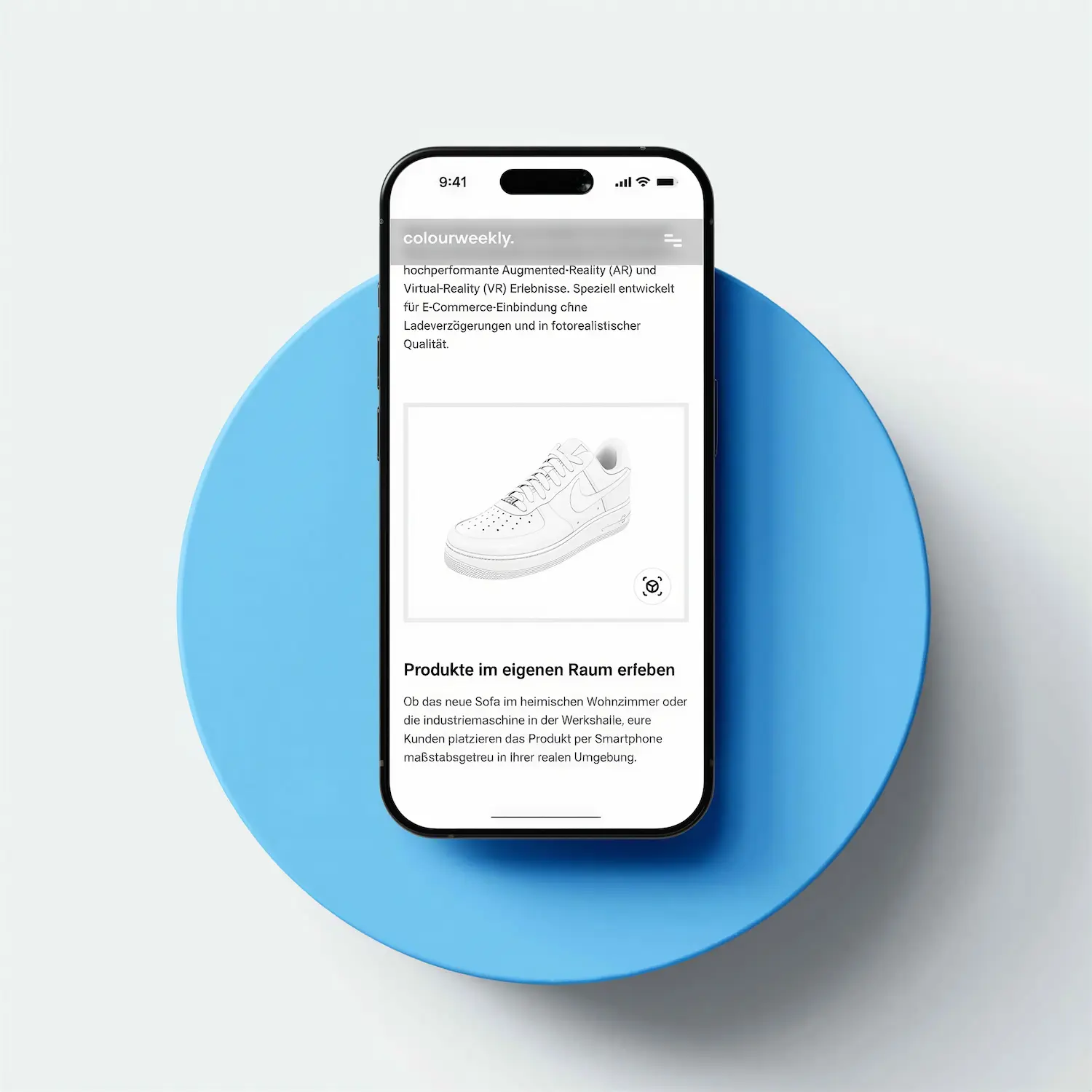
No app installation required
Thanks to native web integration (WebAR), your customers can launch the AR experience with just one click directly from their mobile browser or your online shop. We are happy to advise you on implementation for your website and provide the appropriate AR/VR content.

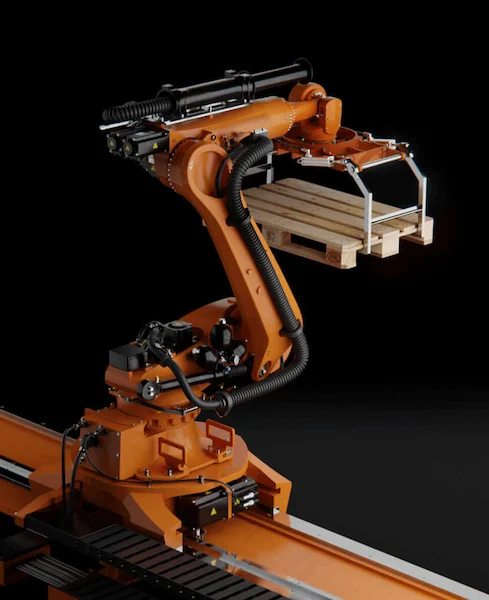
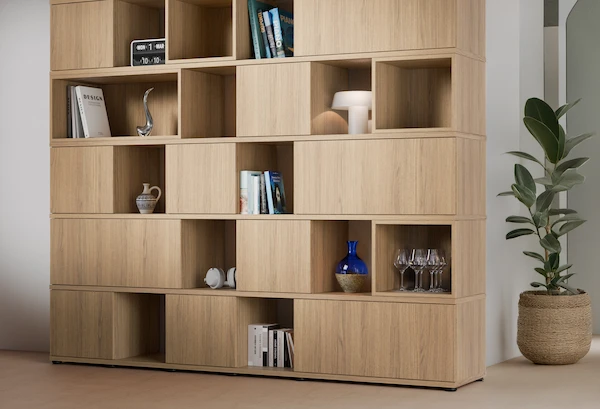


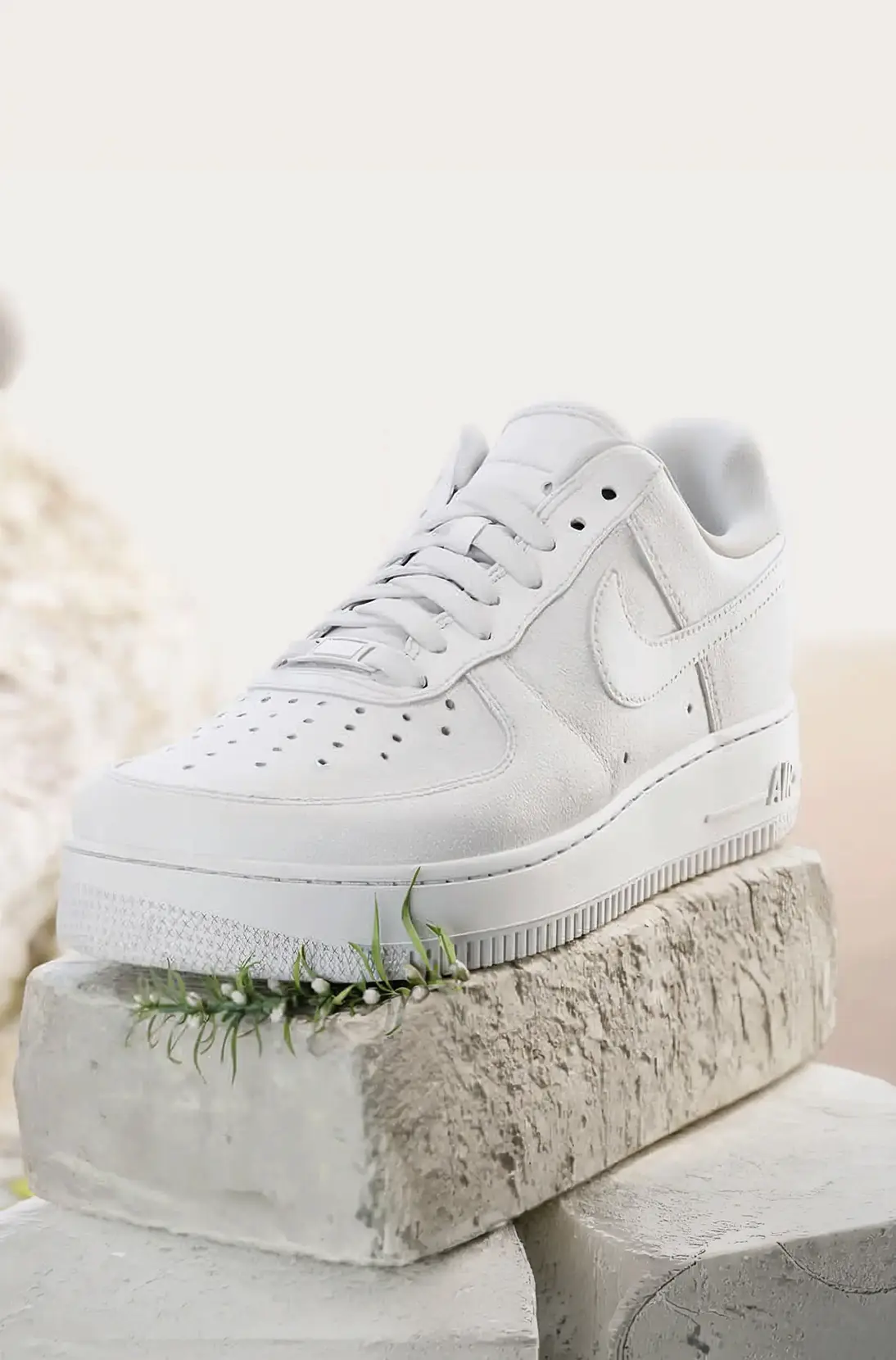

AR/VR models by colourweekly
The balancing act in AR/VR lies between visuals and load times. Original CAD data from engineering is far too heavy (millions of polygons) for web browsers or smartphones; it would cause them to crash. At colourweekly, we have mastered the two most important disciplines for perfect real-time 3D models:
1. Perfect geometry optimization (retopology)
We reduce the complex geometry of your engineering data to the absolute minimum (low-poly) without altering the external shape. Every unnecessary polygon is removed. The result: extremely small file sizes (often under 5 megabytes) that load in milliseconds and run smoothly on any smartphone.
2. Material perfection (PBR & texture baking)
Since real-time applications lack the processing power for complex lighting calculations, we use intelligent texturing techniques. We "bake" the finest surface details, shadows, metal reflections, and edge highlights from the high-resolution model as image data onto the optimized AR model. Your product looks absolutely photorealistic and detailed in the browser, yet consumes almost no processing power.
Visuals for web, print, and campaigns
digital workflow
successfully completed product projects



Your vision.
Our 3D expertise.
As your 3D agency in Cologne, we are excited to hear your ideas. We not only offer you technical expertise, but also an open ear for your vision. Contact us for a non-binding discussion — we look forward to getting to know you.

FAQ
Since smartphones cannot handle complex real-time lighting calculations, we "bake" subtle reflections, shadows, and material details from the high-resolution model directly into the flat image texture. This makes your product look completely photorealistic while requiring almost no processing power.
Yes, AR models are exported at a 1:1 scale, allowing users to see immediately whether a piece of furniture fits into a nook or if a machine will fit on the factory floor. This precise spatial assessment is proven to drastically reduce return rates.
To ensure smooth web performance, we aim for file sizes between 2 and a maximum of 10 megabytes. These ultra-light files guarantee that your customers won't experience frustrating load times while shopping online, even on mobile networks.
To ensure smooth web performance, we aim for file sizes between 2 and a maximum of 10 megabytes. These ultra-light files guarantee that your customers won't experience frustrating load times while shopping online, even on mobile networks.
A highly optimized low-poly AR model is specifically designed for real-time browser performance. For high-resolution product cutouts or print catalogs, we use the detailed high-poly master model in our rendering pipeline instead.
Native design data consists of millions of polygons that would crash any smartphone browser. We radically optimize these geometries (retopology) to under 10 megabytes, without any visible change to the external shape or material quality for the user.
We provide your real-time models in the universal GLB format for Android/Web and USDZ for Apple iOS as standard. These highly compatible file types can be easily integrated into Shopify, Shopware, or used as standalone 3D viewer links.
No, we rely exclusively on native WebAR technology that runs directly in the browser without the need for app installation. With a single click in the online shop, the smartphone camera opens and the product is instantly placed in the user's space.